Lumecca™
The Science Behind It:
IPL works through the principle of selective photothermolysis. The light energy is absorbed by specific targets in the skin:
Melanin (brown pigment): Absorbs light energy, causing pigmented lesions like sunspots, freckles, and age spots to darken and eventually flake off
Hemoglobin (red pigment in blood): Absorbs light energy, causing blood vessels to coagulate and be reabsorbed by the body, reducing redness and visible veins
Collagen: Heat stimulates fibroblasts to produce new collagen, improving skin texture and firmness
The light penetrates the skin without damaging the surface, delivering controlled thermal energy to the targeted structures beneath. Over the following days and weeks, your body's natural healing processes eliminate the damaged pigment and vessels while building new collagen.
Customizable Treatment:
IPL devices use filters to select specific wavelength ranges, allowing your provider to customize treatment for your particular concerns:
Shorter wavelengths (500-600 nm): Target superficial pigmentation and redness
Longer wavelengths (600-1200 nm): Penetrate deeper for vascular lesions and collagen stimulation
Lumecca™
-
Preparation (4-6 Weeks Before):
Avoid sun exposure: Stay out of the sun and avoid tanning beds. Tanned skin significantly increases the risk of burns and pigmentation changes.
Discontinue self-tanners: Stop using self-tanning products at least 2 weeks before treatment.
Stop retinoids: Discontinue retinol, tretinoin, and other retinoid products 5-7 days before treatment.
Avoid photosensitizing medications: Discuss with your provider if you take antibiotics (doxycycline, tetracycline), anti-inflammatory medications, or herbal supplements like St. John's Wort.
No waxing or chemical peels: Avoid these treatments for 2 weeks before your IPL session.
Preparation (1 Week Before):
Discontinue exfoliating acids (glycolic, salicylic, lactic acid)
Avoid any treatments that irritate the skin
Stay well-hydrated
Inform your provider of any new medications or skin changes
Day of Treatment:
Arrive with clean skin—no makeup, lotions, sunscreen, or skincare products
Avoid caffeine if you're sensitive to discomfort
Take over-the-counter pain medication 30-60 minutes before if desired
Wear comfortable clothing and avoid jewelry near the treatment area
What to Tell Your Provider:
Recent sun exposure or tanning
History of cold sores or herpes (antiviral medication may be prescribed)
Current medications, supplements, and topical products
History of keloid scarring or abnormal wound healing
Skin conditions such as eczema, psoriasis, or vitiligo
Previous cosmetic treatments or procedures
Pregnancy or breastfeeding status
Any changes in your skin since your last visit
-
Step 1: Consultation and Skin Assessment (10-15 minutes)
Your provider will examine your skin, assess your concerns, and review your medical history. They will evaluate your skin type using the Fitzpatrick scale and determine the appropriate IPL settings for safe, effective treatment. Treatment goals and realistic expectations will be discussed.
Step 2: Preparation (5-10 minutes)
Your skin is thoroughly cleansed to remove any oils, makeup, or residue
Photographs may be taken to document your starting point and track progress
A cool ultrasound gel is applied to the treatment area to help conduct light and protect the skin
You will be given protective eyewear (opaque goggles or eye shields) to protect your eyes from the bright light
Step 3: Test Spots (If First Treatment)
For your first treatment, your provider may perform test spots at different energy levels to assess your skin's response and determine optimal settings. This helps ensure safe, effective treatment customized to your skin.
Step 4: The IPL Treatment (15-45 minutes)
Your provider will systematically treat the designated areas:
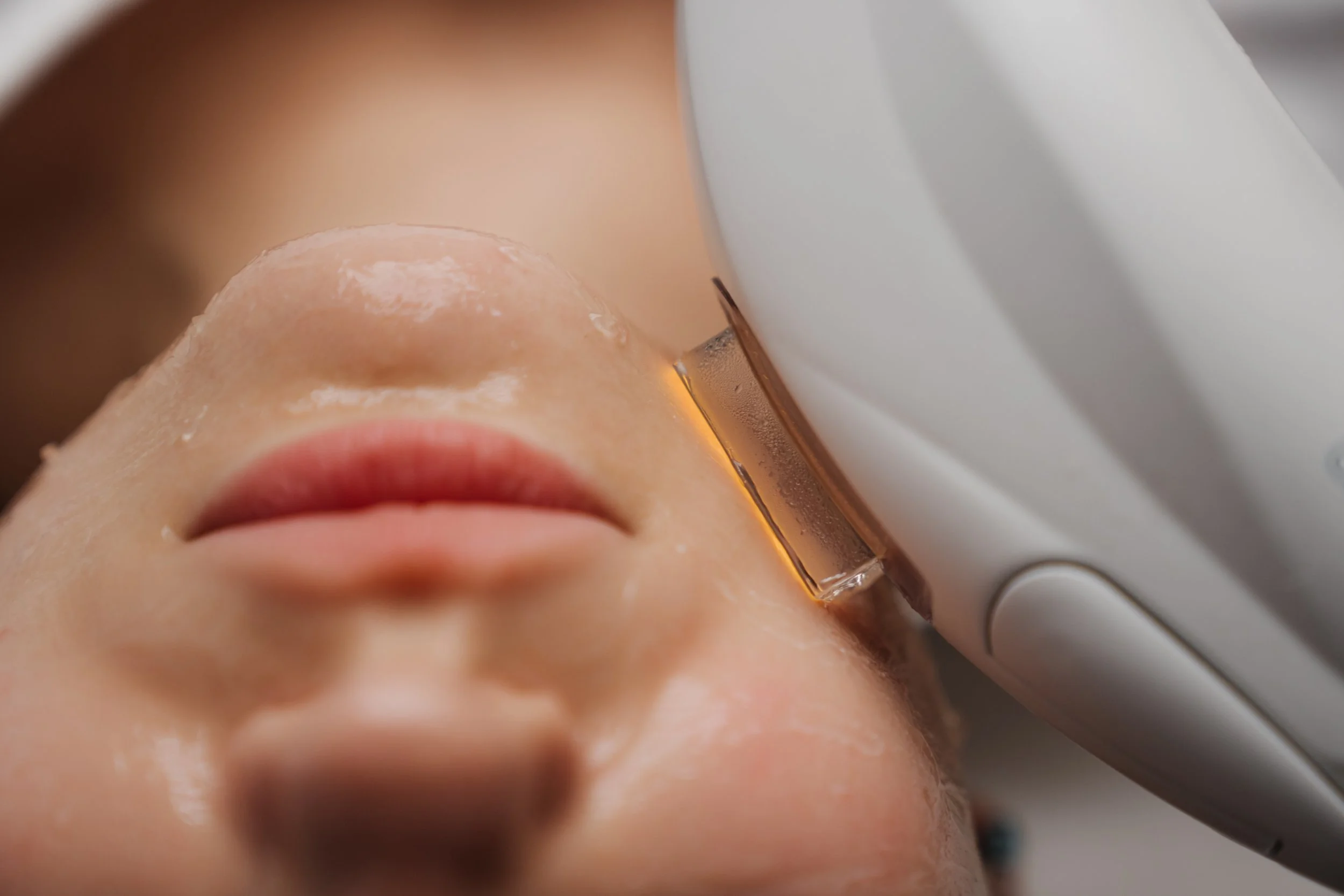
The IPL handpiece is placed against your skin
A bright flash of light is delivered with each pulse
You may hear a snapping sound with each pulse
The handpiece is moved to the next area with slight overlap for complete coverage
Built-in cooling systems protect your skin and enhance comfort
Multiple passes may be performed over areas of concern
Treatment Times by Area:
Full face: 20-30 minutes
Face and neck: 30-40 minutes
Face, neck, and chest (décolletage): 45-60 minutes
Hands: 10-15 minutes
Spot treatment (individual lesions): 5-15 minutes
What You'll Experience:
Bright flashes of light: Even with eye protection, you may perceive bright light with each pulse
Snapping sensation: Most patients describe the feeling as a rubber band snapping against the skin or a brief, warm pinch
Warmth: A sensation of heat during and immediately after each pulse
Mild discomfort: Generally well-tolerated; some areas (bony prominences, areas with more pigmentation) may be more sensitive
Pain Management:
Built-in contact cooling or cryogen spray provides immediate comfort
Cool gel conducts light and protects the skin surface
Cold air may be directed at the treatment area
Topical numbing cream can be applied before treatment for sensitive patients
Most patients tolerate treatment well without anesthesia
Step 5: Post-Treatment Care (5-10 minutes)
After treatment:
The gel is removed and your skin is gently cleansed
A soothing moisturizer, aloe vera, or cooling mask may be applied
Sunscreen is applied if you will be exposed to daylight
You will receive detailed aftercare instructions
Your next appointment will be scheduled
-
What Your Skin Will Look Like:
Redness: Mild to moderate erythema similar to a mild sunburn
Warmth: The treated area will feel warm to the touch
Mild swelling: Particularly around treated lesions
Darkening of pigmented spots: Brown spots will appear darker—this is expected and indicates successful treatment
Slight bronzed appearance: The skin may look slightly tanned or bronzed
What You'll Feel:
Warmth or mild burning sensation (like a sunburn)
Tightness in the treated area
Mild tenderness
Possible tingling or itching
These effects are normal and typically resolve within a few hours to a few days.
IPL requires minimal downtime. Most patients experience 1-3 days of visible redness and darkened spots. Makeup can typically be applied after 24 hours to cover any residual redness or darkened spots. Most patients return to work and normal activities immediately or the next day.
-
Skincare (First Week):
Cleanse gently with a mild, fragrance-free cleanser
Apply a gentle, hydrating moisturizer frequently
Use only products recommended by your provider
Avoid retinoids, acids, exfoliants, and active ingredients for 1 week
Do not pick, scratch, or peel flaking skin—let it shed naturally
Avoid harsh scrubs or abrasive treatments
Sun Protection (Critical):
Strict sun avoidance for at least 2 weeks after treatment
Apply broad-spectrum SPF 30+ sunscreen every 2 hours when outdoors
Reapply sunscreen after swimming or sweating
Wear a wide-brimmed hat and seek shade when possible
Avoid tanning beds completely during your treatment course
Sun exposure after IPL significantly increases the risk of hyperpigmentation
Number of Treatments Needed:
Most patients achieve optimal results with 3-6 treatments spaced 3-4 weeks apart. The number of sessions depends on:
Severity of your skin concerns
Type of condition being treated (pigmentation vs. vascular vs. rejuvenation)
Your skin type and response to treatment
Your aesthetic goals
Treatment Intervals:
Typically every 3-4 weeks
Allows time for skin to heal and results to develop
Timing may be adjusted based on your response
-
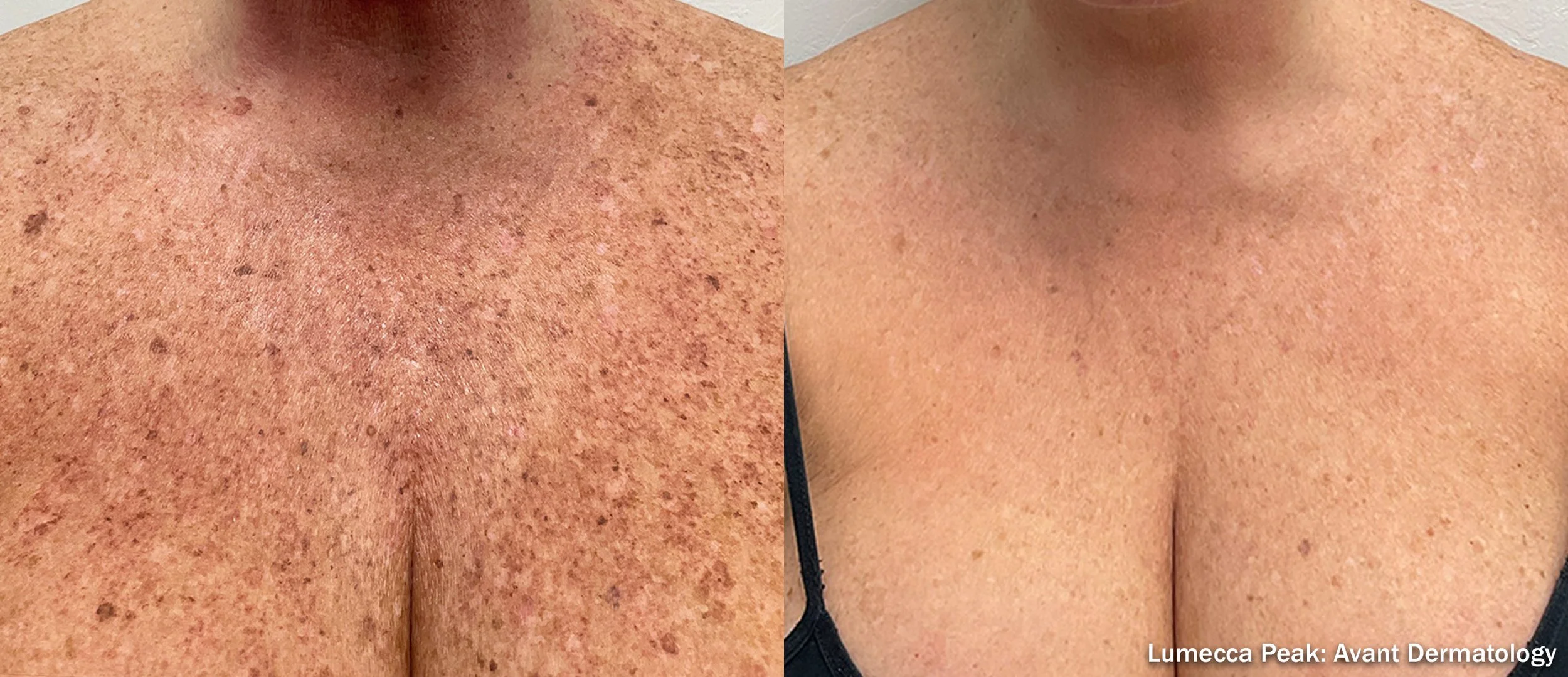
After 1 treatment: Noticeable lightening of pigmented spots; mild improvement in redness
After 2-3 treatments: Significant improvement in skin tone and clarity; continued fading of vascular lesions
After 4-6 treatments: Optimal results with clearer, more even-toned skin; improved texture and radiance
Results Timeline:
Pigmented lesions: Darken immediately, flake off in 7-14 days
Vascular lesions: Gradual fading over 2-4 weeks
Skin texture and collagen: Progressive improvement over 3-6 months
Overall rejuvenation: Cumulative improvement with each treatment
Maintenance:
To maintain your results, most patients benefit from maintenance treatments every 6-12 months, particularly if you have ongoing sun exposure. A consistent skincare routine with daily sunscreen is essential for preserving your results.
-
Ideal Candidates:
Light to medium skin tones (Fitzpatrick skin types I-III)
Sun damage, age spots, or freckling
Facial redness, rosacea, or broken capillaries
Uneven skin tone or texture
Realistic expectations about results
Commitment to sun protection
Ability to avoid sun exposure during treatment course
IPL Works Best For:
Fair skin with distinct pigmented or vascular lesions
Patients with good contrast between lesions and surrounding skin
Those seeking overall skin rejuvenation with minimal downtime
May Require Caution or Alternative Treatments:
Darker skin tones (Fitzpatrick IV-VI): Higher risk of pigmentation changes; may benefit from alternative treatments or specialized protocols
Melasma: Can worsen with IPL; requires careful evaluation and may need alternative approaches
Very deep or large vessels: May respond better to laser treatment
Active tan: Treatment should be postponed
-
IPL may not be appropriate if you:
Are pregnant or breastfeeding
Have a tan or recent sun exposure
Have very dark skin (Fitzpatrick type VI)
Are taking photosensitizing medications (isotretinoin, certain antibiotics, St. John's Wort)
Have active skin infections, open wounds, or inflammatory skin conditions in the treatment area
Have a history of keloid scarring
Have a history of skin cancer in the treatment area
Have seizure disorders triggered by light
Have unrealistic expectations about results
Cannot commit to strict sun avoidance during treatment
Frequently Asked Questions
-
Results can last for years with proper sun protection and skincare. However, new sun damage and natural aging will continue, so maintenance treatments every 6-12 months help preserve your results.
-
Most patients describe IPL as tolerable, feeling like a rubber band snap or warm pinch. The sensation is brief, and built-in cooling systems enhance comfort. Numbing cream is available for sensitive patients.
-
Most patients need 3-6 treatments spaced 3-4 weeks apart for optimal results. Your provider will create a personalized treatment plan based on your specific concerns.
-
Pigmented spots darken immediately and flake off within 7-14 days. Redness and vascular lesions fade gradually over 2-4 weeks. Skin texture improvements develop over several months as collagen remodels.
-
It's best to avoid makeup for 24 hours after treatment. After that, mineral-based makeup can be used to cover any residual redness or darkened spots.
-
IPL carries higher risks for darker skin tones due to increased melanin absorption. If you have darker skin, discuss alternative treatments with your provider, such as Nd:YAG laser, which is safer for darker skin types.
-
Yes, IPL can potentially worsen melasma in some patients. If you have melasma, discuss this with your provider, as alternative treatments may be more appropriate.
-
They are the same thing. "Photofacial" and "photorejuvenation" are marketing terms for IPL treatment when used for skin rejuvenation.
-
Some medications increase photosensitivity and may need to be discontinued before treatment. Always provide a complete list of medications to your provider, including over-the-counter drugs and supplements.
-
Daily broad-spectrum sunscreen, a consistent skincare routine, and periodic maintenance treatments (every 6-12 months) will help preserve your results.
Your Journey to Clearer, More Radiant Skin
IPL photofacial treatment offers a safe, effective, and convenient solution for a wide range of skin concerns. With minimal downtime and cumulative results, IPL can help you achieve clearer, more even-toned, and youthful-looking skin.
Ready to Reveal Your Best Skin?
Contact us today to schedule your consultation and discover how IPL can transform your complexion.