
Transform Your Skin with Morpheus8™
Unlike traditional microneedling or laser treatments, Morpheus8™ can safely treat all skin types and penetrate deeper into the skin (up to 4mm or more) to address concerns at multiple levels. The adjustable depth settings allow your provider to customize treatment for different areas of your face and body.
Morpheus8™
-
Preparation (1-2 Weeks Before):
Avoid sun exposure and tanning beds
Discontinue retinoids, exfoliating acids, and other potentially irritating skincare products 3-7 days before treatment
Avoid blood-thinning medications (aspirin, ibuprofen, fish oil) if medically safe to do so
Stay well-hydrated in the days leading up to your appointment
Arrive with clean skin—no makeup, lotions, or skincare products on the treatment day
What to Tell Your Provider:
Any history of cold sores or herpes (you may need antiviral medication)
Current medications and supplements
Recent cosmetic procedures or treatments
Any skin infections or active breakouts
Pregnancy or breastfeeding status
-
Step 1: Consultation and Skin Assessment (5-10 minutes)
Your provider will examine your skin, discuss your concerns and goals, and explain the treatment plan. They will mark the treatment areas and determine the appropriate needle depth and energy settings for your specific needs.
Step 2: Numbing (30-45 minutes)
A topical numbing cream is applied to the treatment area and left on for 30-45 minutes to ensure your comfort during the procedure. Some practices may also use local anesthetic injections for enhanced comfort, especially for deeper treatments.
Step 3: Skin Preparation (5 minutes)
The numbing cream is removed, and your skin is thoroughly cleansed with an antiseptic solution to minimize infection risk.
Step 4: The Morpheus8 Treatment (20-45 minutes)
Your provider will systematically treat the designated areas using the Morpheus8 handpiece:
The device contains a grid of fine microneedles (typically 24 or 49 pins depending on the handpiece)
The needles penetrate to the predetermined depth
Radiofrequency energy is delivered through the needles
You may feel warmth, pressure, and a pricking sensation despite the numbing
The handpiece is moved across the treatment area in a systematic pattern
Multiple passes may be performed for optimal results
What You'll Feel:
Most patients describe the sensation as tolerable warmth and pressure with occasional mild discomfort. The numbing cream significantly reduces pain, making it a very tolerable procedure. Some areas (like around the mouth or bony areas) may be more sensitive than others.
Step 5: Post-Treatment Care (5 minutes)
After treatment, a soothing serum, growth factors, or hyaluronic acid may be applied to enhance healing and results. Your skin will appear red and may feel warm, similar to a moderate sunburn. Your provider will give you detailed aftercare instructions and schedule your follow-up appointment.
Total Time in Office: Plan for approximately 90 minutes for your complete appointment, though the actual treatment time is typically 20-45 minutes depending on the size of the treatment area.
-
What Your Skin Will Look Like:
Moderate to significant redness (similar to a sunburn)
Mild to moderate swelling
Visible pinpoint marks where the needles entered the skin
Possible minor oozing or pinpoint bleeding
Warm sensation in the treated area
What You'll Feel:
Tightness or tenderness in the treated area
Warmth that may last several hours
Mild throbbing sensation
-
First 24 Hours:
Redness and swelling are most pronounced
Keep your skin clean and avoid touching the treated area
Apply ice packs (wrapped in a clean cloth) for 10-15 minutes at a time to reduce swelling
Sleep with your head elevated to minimize swelling
Avoid makeup, active skincare products, and sun exposure
Do not exercise or engage in activities that cause sweating
Days 2-3:
Redness begins to fade but may still be noticeable
Swelling typically improves significantly
Skin may feel dry and tight
Light flaking or peeling may begin
You can typically return to work and normal activities with makeup to cover residual redness
Days 4-7:
Most redness resolves
Dry skin and flaking continue as the skin renews itself
Some patients experience a "bronzing" effect (temporary darkening) that will shed
Skin texture may feel rough or bumpy temporarily
Weeks 2-4:
Skin continues to heal and regenerate
You may notice initial improvements in texture and tone
Any remaining dryness or flaking resolves
Downtime Summary: Most patients experience 2-3 days of social downtime when redness and swelling are most visible. However, you can typically cover residual redness with makeup after the first 24-48 hours. Complete healing of the skin surface occurs within 1-2 weeks.
-
Skincare Routine:
Cleanse gently with a mild, fragrance-free cleanser twice daily
Apply a gentle, hydrating moisturizer frequently throughout the day
Use only products recommended by your provider for the first week
Avoid retinoids, acids, exfoliants, and active ingredients for 1-2 weeks
Do not pick, scratch, or peel flaking skin
Sun Protection (Critical):
Avoid direct sun exposure for at least 2 weeks
Apply broad-spectrum SPF 30+ sunscreen daily once skin has healed (after 24-48 hours)
Wear a wide-brimmed hat when outdoors
Avoid tanning beds indefinitely
Activities to Avoid:
Strenuous exercise for 48-72 hours
Swimming pools, hot tubs, and saunas for 1 week
Facial massage or aggressive rubbing for 2 weeks
Other facial treatments (facials, peels, lasers) for 4-6 weeks
-
When You'll See Results:
Immediate: Mild skin tightening from tissue contraction
2-4 weeks: Improved texture and tone as skin heals
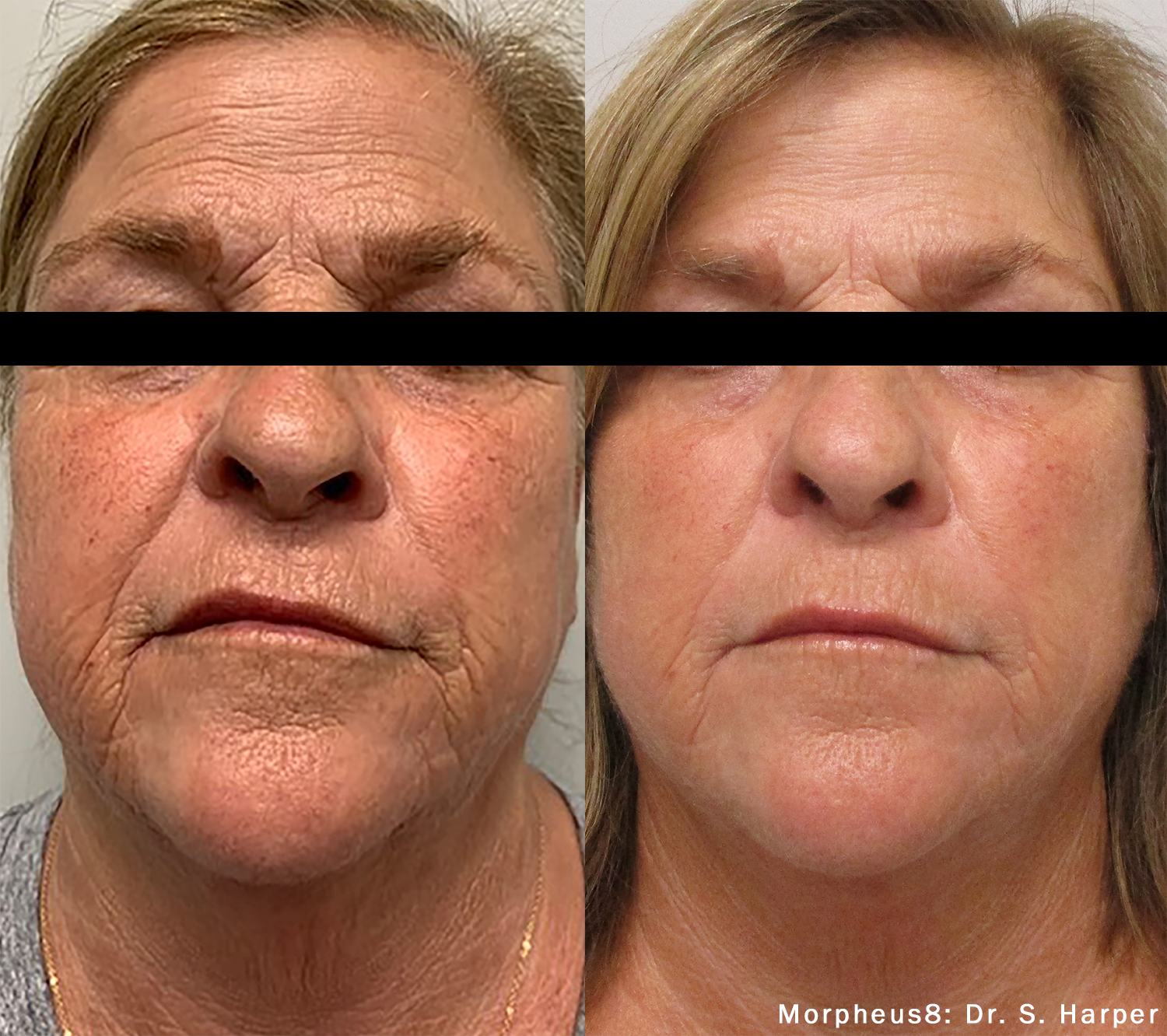
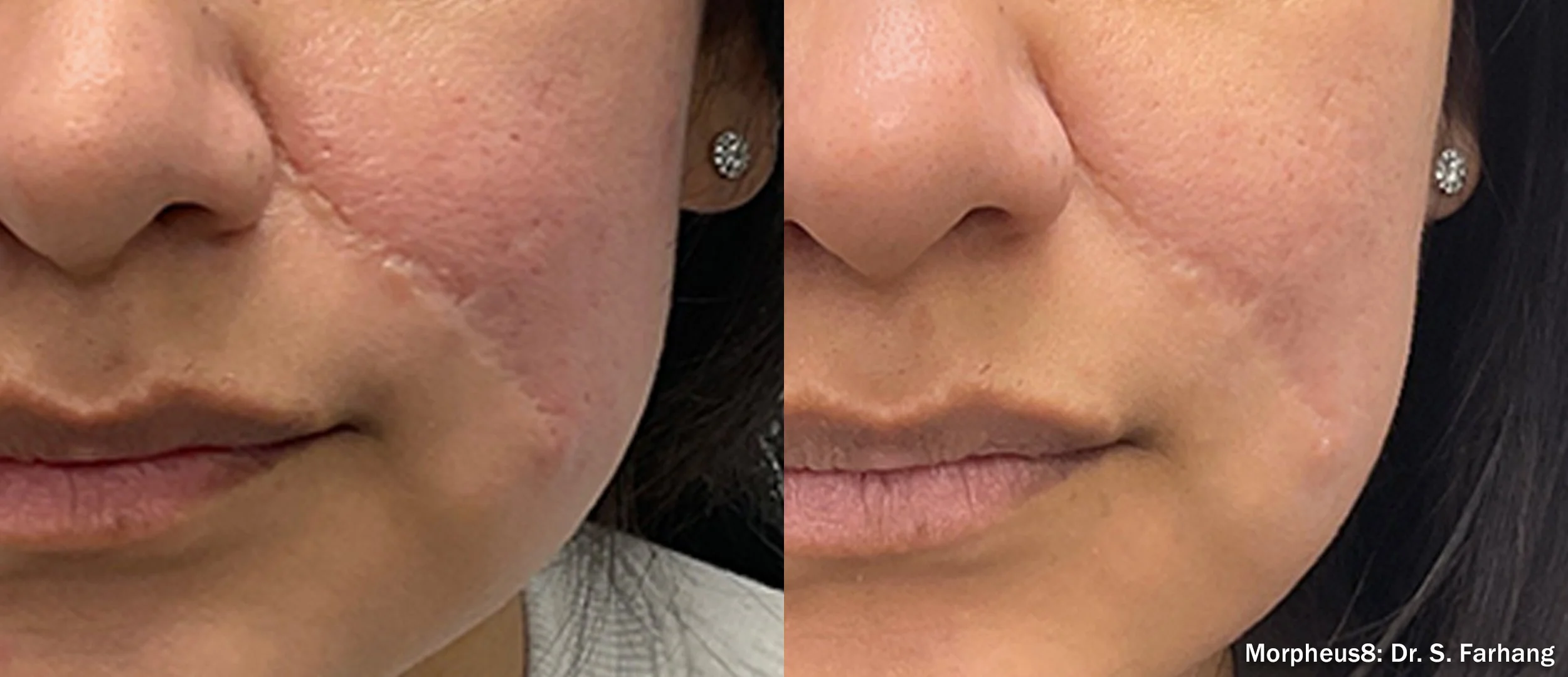
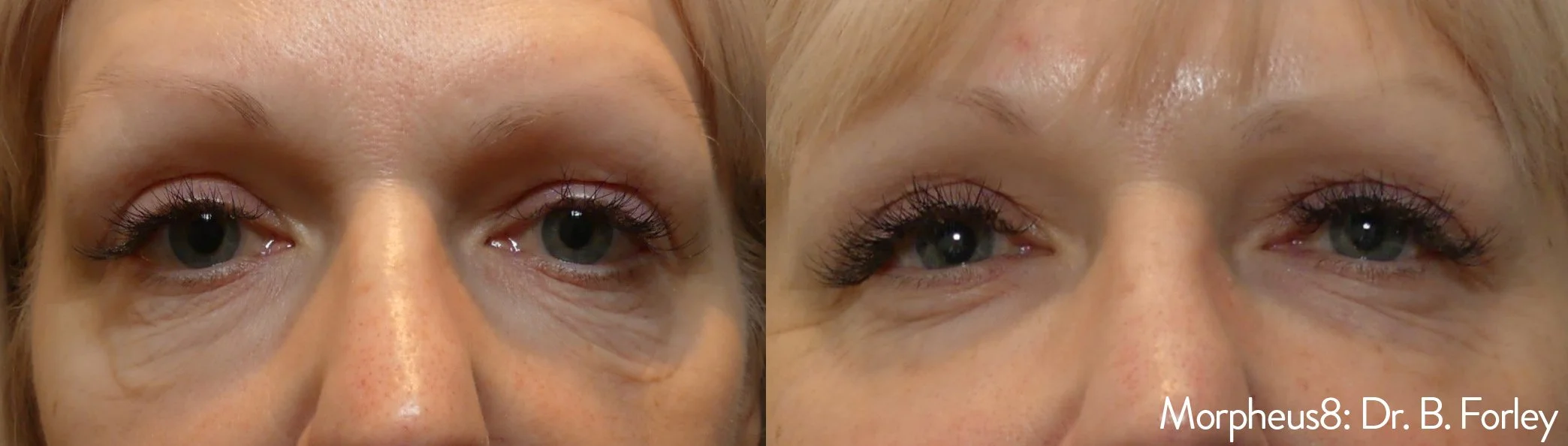
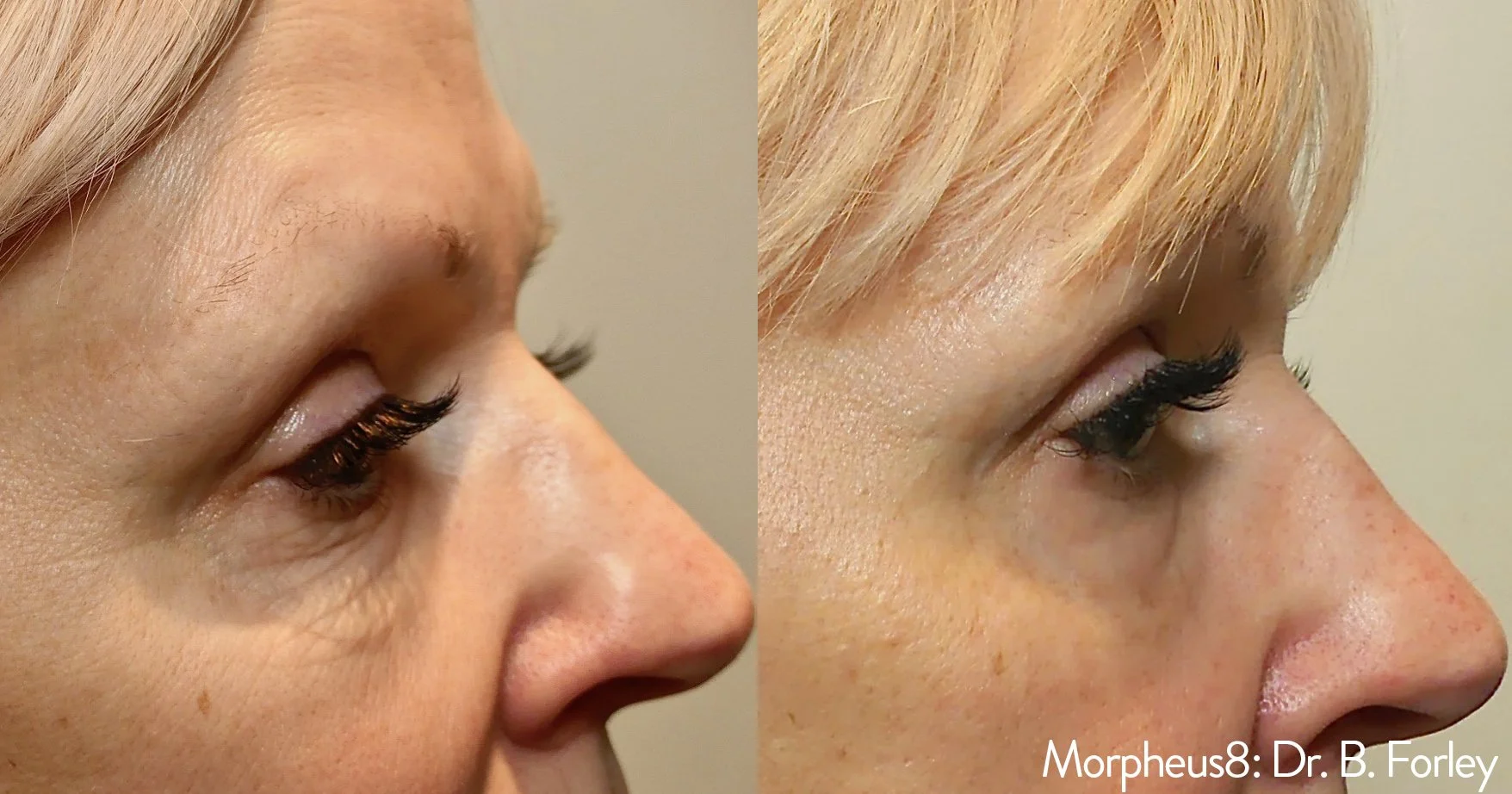
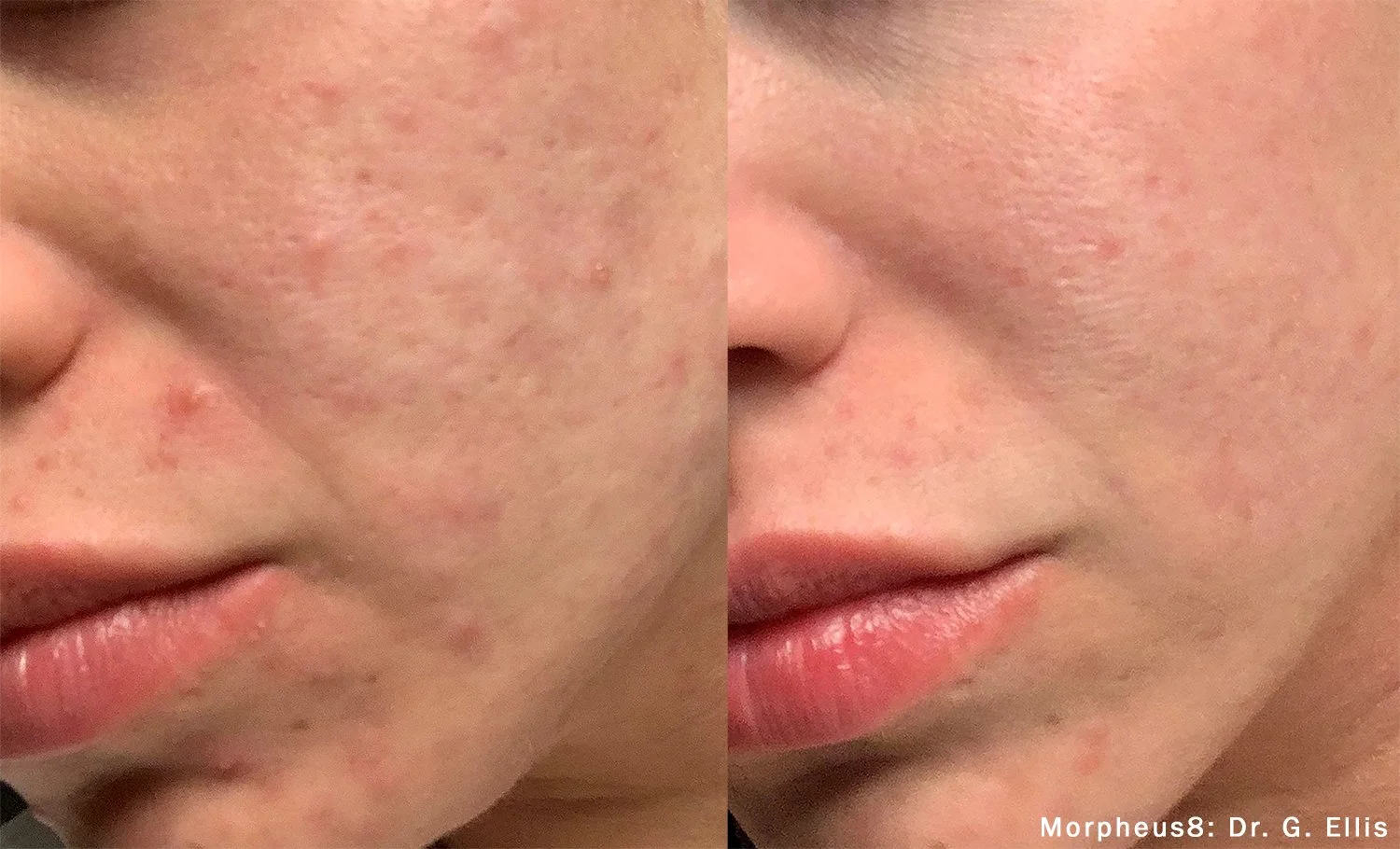
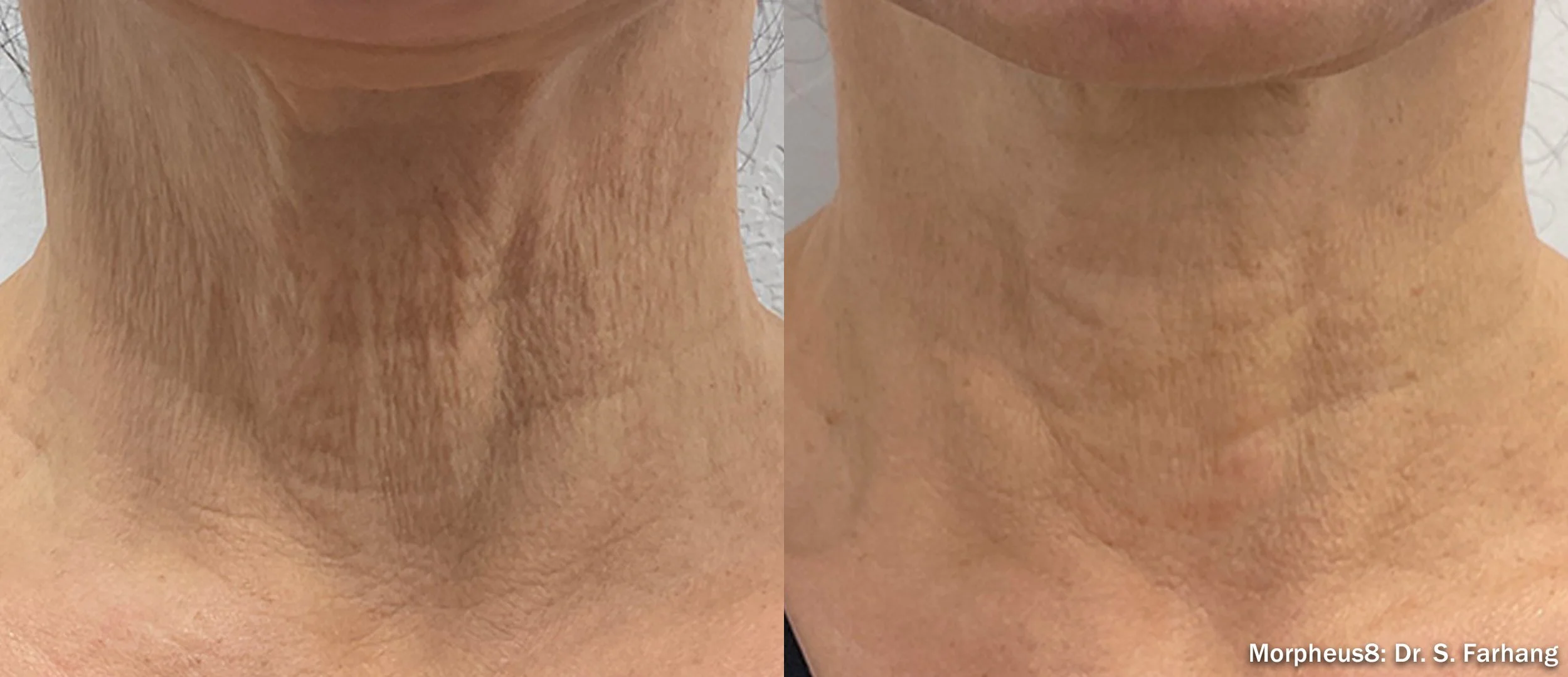
1-3 months: Noticeable improvement in wrinkles, skin laxity, and overall appearance
3-6 months: Continued improvement as collagen remodeling continues; optimal results typically visible
How Long Results Last: Results can last 1-2 years or longer, depending on your age, skin condition, lifestyle factors, and skincare routine. The collagen remodeling process is progressive and continues for several months after treatment.
Number of Treatments Needed:
Although you can see results after one treatment, most patients achieve optimal results with at least 3 treatment sessions spaced 4-6 weeks apart. Your provider will recommend a treatment plan based on your specific concerns and goals.
-
Facial Concerns:
Fine lines and wrinkles
Skin laxity and sagging
Acne scars and other types of scarring
Uneven skin texture and tone
Large pores
Sun damage and photoaging
Mild to moderate jowling
Body Concerns:
Loose skin on the abdomen, arms, thighs, and other areas
Stretch marks
Cellulite appearance
Skin texture irregularities
Safe for All Skin Types: Morpheus8™ can be safely used on all skin types, including darker skin tones, with minimal risk of hyperpigmentation when proper protocols are followed.
-
Common and Expected:
Redness
Swelling
Dry, flaking skin
Temporary bronzing or darkening
Pinpoint scabbing at needle sites
Mild tenderness
Less Common:
Prolonged swelling lasting more than 6 weeks (5% of patients)
Temporary hardened areas lasting more than 12 weeks (3% of patients)
Acne-like bumps
Increased skin sensitivity
Itching
Rare but Serious:
Infection
Scarring
Hyperpigmentation or hypopigmentation
Burns (if settings are too aggressive)
Nerve injury (extremely rare, 2% with proper technique)
Important: Serious complications are rare when the procedure is performed by a trained, experienced provider using appropriate settings for your skin type and concerns.
-
Morpheus8™ may not be appropriate if you:
Are pregnant or breastfeeding
Have active skin infections or open wounds in the treatment area
Have a history of keloid scarring
Have metal implants or pacemakers in the treatment area
Are currently taking Accutane (isotretinoin) or have taken it within the past 6 months
Have unrealistic expectations about results
Have certain autoimmune conditions affecting the skin
-
Maintain a Healthy Skincare Routine: Regular home care with quality skincare products significantly enhances and prolongs your results. Use gentle cleansers, hydrating serums, retinoids (after healing), antioxidants, and daily broad-spectrum sunscreen.
Protect Your Skin from the Sun: Sun damage is the primary cause of premature aging. Consistent sun protection is essential to maintain your results.
Stay Hydrated: Drink plenty of water to support skin health and healing.
Maintain a Healthy Lifestyle: Adequate sleep, balanced nutrition, regular exercise, and stress management all contribute to healthy, youthful-looking skin.
Consider Maintenance Treatments: Many patients schedule annual or semi-annual maintenance treatments to sustain their results over time.
Frequently Asked Questions
-
Most patients tolerate the procedure well with topical numbing cream. Discomfort is typically rated as mild to moderate (4-5 out of 10).
-
Avoid makeup for the first 24-48 hours. After that, you can use mineral-based makeup to cover residual redness.
-
Most patients take 2-3 days off for social downtime, though some return to work the next day if they're comfortable with visible redness.
-
Morpheus8 combines microneedling with radiofrequency energy, allowing it to penetrate deeper and produce more dramatic skin tightening and collagen remodeling than traditional microneedling alone.
-
Morpheus8 is not a replacement for surgical facelift in patients with significant skin laxity, but it can address mild to moderate laxity and is an excellent option for patients who want to avoid surgery or maintain results after a previous facelift.
Your Journey to Rejuvenated Skin
Morpheus8 offers a safe, effective solution for skin rejuvenation with minimal downtime and results that continue to improve over time. By understanding what to expect during and after your treatment, you can prepare appropriately and achieve the best possible outcomes.
Ready to Get Started?
Contact us today to schedule your consultation and learn how Morpheus8 can help you achieve your aesthetic goals.
References
Transcutaneous Radiofrequency Microneedling in the Facial Plastic Surgeon's Practice: A Review. Magro I, Kochhar A, Arnaoutakis D, Karimi K. Facial Plastic Surgery & Aesthetic Medicine. 2022 Sep-Oct;24(S1):S3-S10. doi:10.1089/fpsam.2022.0226.
Dermatologic Facial Applications of Morpheus8 Fractional Radiofrequency Microneedling. Hendricks AJ, Farhang SZ. Journal of Cosmetic Dermatology. 2022;21 Suppl 1:S11-S19. doi:10.1111/jocd.15231.
Adjustable Depth Fractional Radiofrequency Combined With Bipolar Radiofrequency: A Minimally Invasive Combination Treatment for Skin Laxity. Dayan E, Chia C, Burns AJ, Theodorou S. Aesthetic Surgery Journal. 2019;39(Suppl_3):S112-S119. doi:10.1093/asj/sjz055.
Microneedle Radiofrequency Induces Extracellular Matrix Remodeling Through Fibroblast Activation: A Histological Study in a Porcine Model. Xu Y, Zhang Y, Wang H, et al. Lasers in Surgery and Medicine. 2025;57(6):528-543. doi:10.1002/lsm.70033.
Multimodal Radiofrequency Application for Lower Face and Neck Laxity. Dayan E, Rovatti P, Aston S, et al. Plastic and Reconstructive Surgery. Global Open. 2020;8(8):e2862. doi:10.1097/GOX.0000000000002862.
Short-Term Side Effects of Fractional Photothermolysis. Fisher GH, Geronemus RG. Dermatologic Surgery : Official Publication for American Society for Dermatologic Surgery [Et Al.]. 2005;31(9 Pt 2):1245-9; discussion 1249. doi:10.1111/j.1524-4725.2005.31934.
An Anatomical Approach to Radiofrequency-Assisted Facial Rejuvenation: Beyond the Treatment Gap. Stein MJ, Vranis NM, Aston SJ. Aesthetic Surgery Journal. 2025;45(Supplement_1):S1-S9. doi:10.1093/asj/sjae232.
Comparison of the Effects of Fractional Microneedle Radiofrequency and Microneedling on Modulating the Senescent Fibroblast Milieu in Aged Skin. Hwang JM, Lee SH, Baek EJ, et al. Scientific Reports. 2025;15(1):18296. doi:10.1038/s41598-025-02545-3.
Noninsulated Microneedle Radiofrequency for Skin Rejuvenation: A Histological, Transcriptomic and Clinical Study. Feng J, Huang L, Qi J, Ma S, Zhang L. Lasers in Surgery and Medicine. 2025;. doi:10.1002/lsm.70041.
Radiofrequency Microneedling: A Comprehensive and Critical Review. Tan MG, Jo CE, Chapas A, Khetarpal S, Dover JS. Dermatologic Surgery : Official Publication for American Society for Dermatologic Surgery [Et Al.]. 2021;47(6):755-761. doi:10.1097/DSS.0000000000002972.
Microneedle Radiofrequency for Skin Rejuvenation: Bridging Image-Derived Metrics and Photographic Assessment. Malarz D, Czyżewski Ł, Olczak-Kowalczyk D. Frontiers in Medicine. 2025;12:1710949. doi:10.3389/fmed.2025.1710949.
A Prospective Study of the Safety and Efficacy of a Microneedle Fractional Radiofrequency System for Global Facial Photoaging in Chinese Patients. Zhang M, Fang J, Wu Q, Lin T. Dermatologic Surgery : Official Publication for American Society for Dermatologic Surgery [Et Al.]. 2018;44(7):964-970. doi:10.1097/DSS.0000000000001469.