

Weight Management Services:
Tirzepatide and Semaglutide
Transform Your Health with Medical Weight Management
We offer the latest FDA-approved weight loss medications—tirzepatide (Zepbound®, Mounjaro®) and semaglutide (Wegovy®, Ozempic®)—as well as compounded formulations of tirzepatide and semaglutide. Combined with personalized nutrition guidance and lifestyle support, our approach helps you achieve lasting, sustainable results.
Available Medications
Semaglutide (Wegovy®, Ozempic®)
Once weekly injection
Doses range from 0.25 mg to 2.4 mg
Average weight loss: 13 to 16% of body weight over 68 to 72 weeks
Also available as a daily oral tablet (Rybelsus, Wegovy oral)
Tirzepatide (Zepbound®, Mounjaro®)
Once weekly injection
Doses range from 2.5 mg to 15 mg
Average weight loss: 15 to 21% of body weight over 72 weeks
May offer additional benefits for blood sugar control
Both medications are FDA approved for chronic weight management in adults with obesity (BMI ≥30) or overweight (BMI ≥27) with at least one weight related health condition.
"Working with Jessica has been an absolute pleasure, I've lost over 100lbs and I have her to thank for that! She's supportive, listens, and understands. I can't recommend her enough!"
- David B.
Getting Started
-
What You Can Expect:
Most people lose 5% or more of their body weight within the first 3 months
Average weight loss ranges from 13 to 21% over 12 to 18 months, depending on the medication
Improvements in blood pressure, cholesterol, blood sugar, and other health markers
Reduced waist circumference and improved mobility
Better quality of life and physical function
Individual Results Vary: Your response depends on many factors including your starting weight, adherence to lifestyle changes, medication dose, and individual metabolism. Some people lose more weight, while others may lose less.
-
Most side effects are mild to moderate and improve over time, especially with gradual dose increases.
Common Side Effects (affecting 10 to 44% of people):
Nausea (usually temporary)
Diarrhea or constipation
Vomiting
Abdominal discomfort
Decreased appetite
Fatigue or headacheManaging Side Effects:
Eat smaller, more frequent meals
Avoid high fat, fried, and spicy foods
Stay well hydrated (drink 8 to 10 glasses of water daily)
Eat slowly and stop when you feel full
Limit alcohol and carbonated beverages
Less Common but Serious Side Effects:
Gallbladder problems
Pancreatitis (severe abdominal pain)
Low blood sugar (if taking other diabetes medications)
Kidney problems from dehydration
Allergic reactions
Contact your healthcare provider immediately if you experience severe abdominal pain, persistent vomiting, vision changes, or signs of an allergic reaction. -
Both medications are injected under the skin (subcutaneously) once weekly, on the same day each week.
Using Pre Filled Autoinjector Pens
Injection Sites: Choose from your abdomen (avoiding 2 inches around the belly button), front of thighs, or back of upper arms. Rotate sites each week.
Steps for Semaglutide and Tirzepatide Pens:
1. Remove the pen from the refrigerator 30 minutes before injection
2. Check that the medication is clear and colorless
3. Attach a new pen needle (if required for your pen type)
4. Select your prescribed dose
5. Clean the injection site with an alcohol wipe
6. Insert the needle straight into the skin at a 90 degree angle
7. Press the injection button and hold for 6 to 10 seconds
8. Remove the needle and dispose in a sharps container
9. Store the pen in the refrigerator (do not freeze)
For Tirzepatide Autoinjector:
1. Remove the cap
2. Place the clear base against your skin
3. Unlock the pen
4. Press and hold the injection button until you hear a second click (5 to 10 seconds)
5. Remove and dispose properly
Using Vials and Syringes
If using medication from a vial:
1. Clean the vial top with alcohol
2. Draw air into the syringe equal to your dose
3. Inject air into the vial
4. Turn the vial upside down and draw out your dose
5. Remove air bubbles by tapping the syringe
6. Inject into your chosen site as described above
7. Dispose of the syringe in a sharps container
Important Tips:
Never share pens or needles
Use a new needle for each injection
Rotate injection sites to prevent skin changes
Store pens in the refrigerator; do not freeze
Dispose of needles and pens in a sharps container -
These medications work best when combined with healthy eating habits.
Focus on Nutrient Dense Foods:
Lean proteins: chicken, fish, eggs, Greek yogurt, cottage cheese, beans, lentils
Vegetables: leafy greens, broccoli, peppers, tomatoes, carrots
Fruits: berries, apples, citrus fruits, bananas
Whole grains: oats, quinoa, brown rice, whole grain bread
Healthy fats: nuts, seeds, avocado, olive oil
Foods to Limit:
Refined carbohydrates and added sugars
Sugar sweetened beverages
Fried and high fat foods
Processed meats
Fast food and ultra processed snacks
Eating Habits for Success:
Eat smaller, regular meals at consistent times
Prioritize protein at each meal (aim for 60 to 100 grams daily)
Eat slowly and mindfully
Stop eating when you feel comfortably full
Stay hydrated with water throughout the day
Avoid eating late at night
Protein is Essential: Because these medications reduce appetite, getting enough protein is crucial to preserve muscle mass. Aim for at least 0.5 to 0.7 grams of protein per pound of body weight daily. -
Regular physical activity enhances weight loss and helps preserve muscle mass.
Recommended Activity:
Aerobic Exercise: 150 to 200 minutes per week of moderate activity (brisk walking, cycling, swimming)
Strength Training: At least 2 to 3 days per week focusing on all major muscle groups
Daily Movement: Take the stairs, park farther away, stand while working when possible
Why Strength Training Matters: During weight loss, you naturally lose both fat and muscle. Resistance training combined with adequate protein intake helps preserve muscle mass, maintain metabolism, and improve body composition.
Getting Started:
Start slowly if you're new to exercise
Gradually increase intensity and duration
Find activities you enjoy
Consider working with a personal trainer or physical therapist
Listen to your body and rest when needed
Benefits of Treatment
Weight Loss Benefits:
Significant, sustained weight reduction
Reduced waist circumference
Improved body composition
Health Improvements:
Better blood sugar control
Lower blood pressure
Improved cholesterol levels
Reduced risk of heart disease and stroke
Decreased joint pain and improved mobility
Better sleep quality
Reduced symptoms of sleep apnea
Improved liver health
Quality of Life:
Increased energy and stamina
Enhanced physical function
Improved self confidence
Better mental health and mood -
Long-Term Commitment: These medications work best when used long-term. Most people regain 50-70% of lost weight within one year of stopping the medication. This is a chronic condition requiring ongoing management.
Not for Everyone: These medications are not recommended if you have:
Personal or family history of medullary thyroid cancer
Multiple endocrine neoplasia syndrome type 2
Severe gastrointestinal disease
History of pancreatitis
Pregnancy or planning pregnancy
Monitoring Required: Regular follow-up appointments are essential to:
Adjust medication doses
Monitor for side effects
Track weight loss progress
Assess nutritional status
Adjust other medications as needed
Provide ongoing support and education
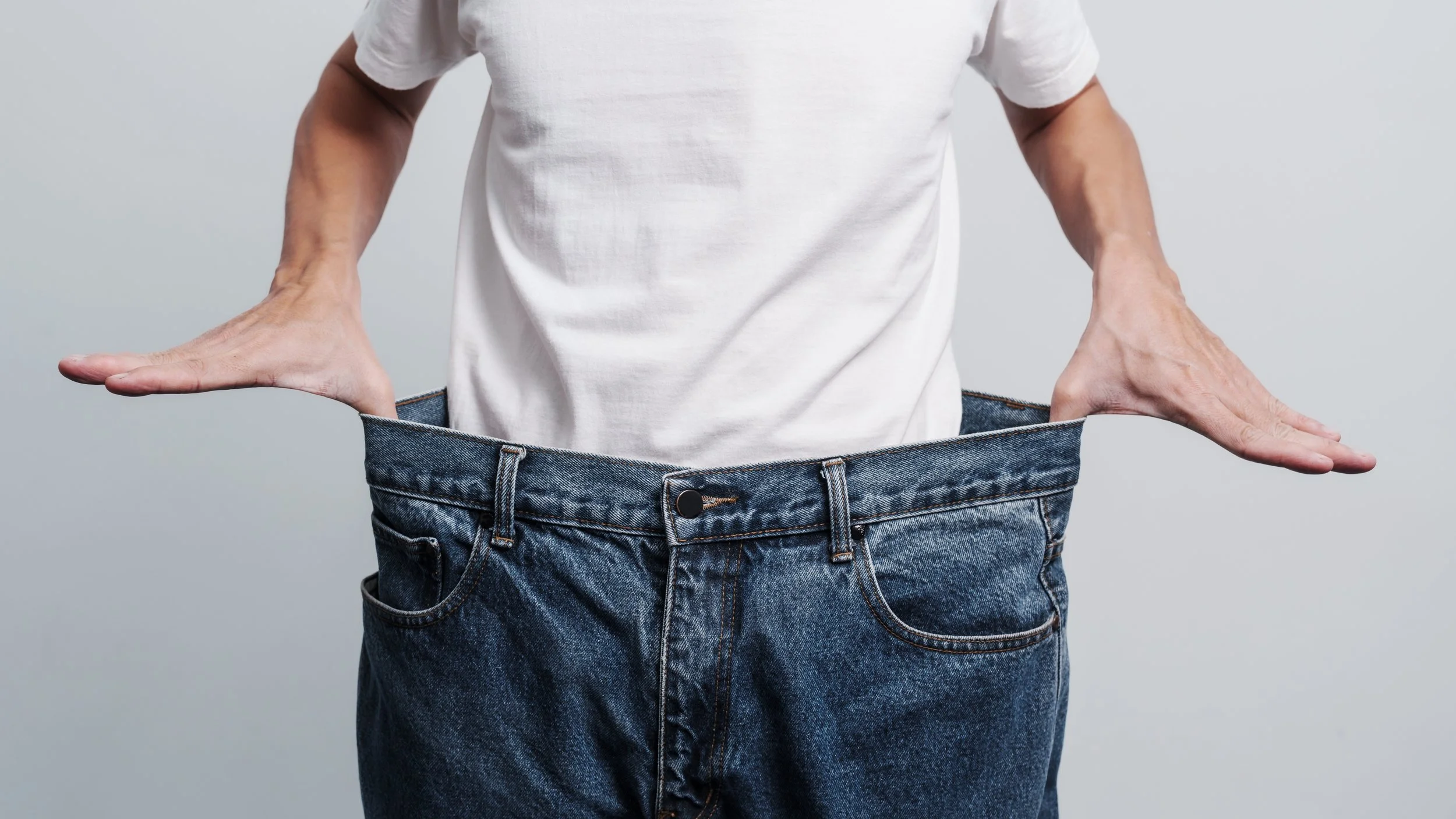
Your Journey to Better Health
Successful weight management with these medications requires a comprehensive approach combining medication, nutrition, physical activity, and behavioral support. Our team is here to guide you every step of the way, helping you achieve and maintain meaningful weight loss while improving your overall health.
Ready to Get Started?
Contact us today to schedule a consultation and learn if tirzepatide or semaglutide is right for you.
TReferences
Tirzepatide as Compared with Semaglutide for the Treatment of Obesity. Aronne LJ, Horn DB, le Roux CW, et al. The New England Journal of Medicine. 2025;393(1):26-36. doi:10.1056/NEJMoa2416394.
Nutritional Priorities to Support GLP-1 Therapy for Obesity: A Joint Advisory From the American College of Lifestyle Medicine, the American Society for Nutrition, the Obesity Medicine Association, and the Obesity Society. Mozaffarian D, Agarwal M, Aggarwal M, et al. The American Journal of Clinical Nutrition. 2025;122(1):344-367. doi:10.1016/j.ajcnut.2025.04.023.
Managing Adverse Effects of Incretin-Based Medications for Obesity. Kushner RF, Almandoz JP, Rubino DM. JAMA. 2025;:2836876. doi:10.1001/jama.2025.11153.
Integrating Diet and Physical Activity When Prescribing GLP-1s—Lifestyle Factors Remain Crucial. Mehrtash F, Dushay J, Manson JE. JAMA Internal Medicine. 2025;185(9):1151-1152. doi:10.1001/jamainternmed.2025.1794.
Use of Glucagon-Like Peptide-1 Receptor Agonists in Patients With Type 2 Diabetes and Cardiovascular Disease: A Review. Honigberg MC, Chang LS, McGuire DK, et al. JAMA Cardiology. 2020;5(10):1182-1190. doi:10.1001/jamacardio.2020.1966.
Obesity Management in Adults: A Review. Elmaleh-Sachs A, Schwartz JL, Bramante CT, et al. JAMA. 2023;330(20):2000-2015. doi:10.1001/jama.2023.19897.
Glucagon-Like Receptor Agonists and Next-Generation Incretin-Based Medications: Metabolic, Cardiovascular, and Renal Benefits. Nauck MA, Tuttle KR, Tschöp MH, Blüher M. Lancet (London, England). 2026;:S0140-6736(25)02105-1. doi:10.1016/S0140-6736(25)02105-1.