
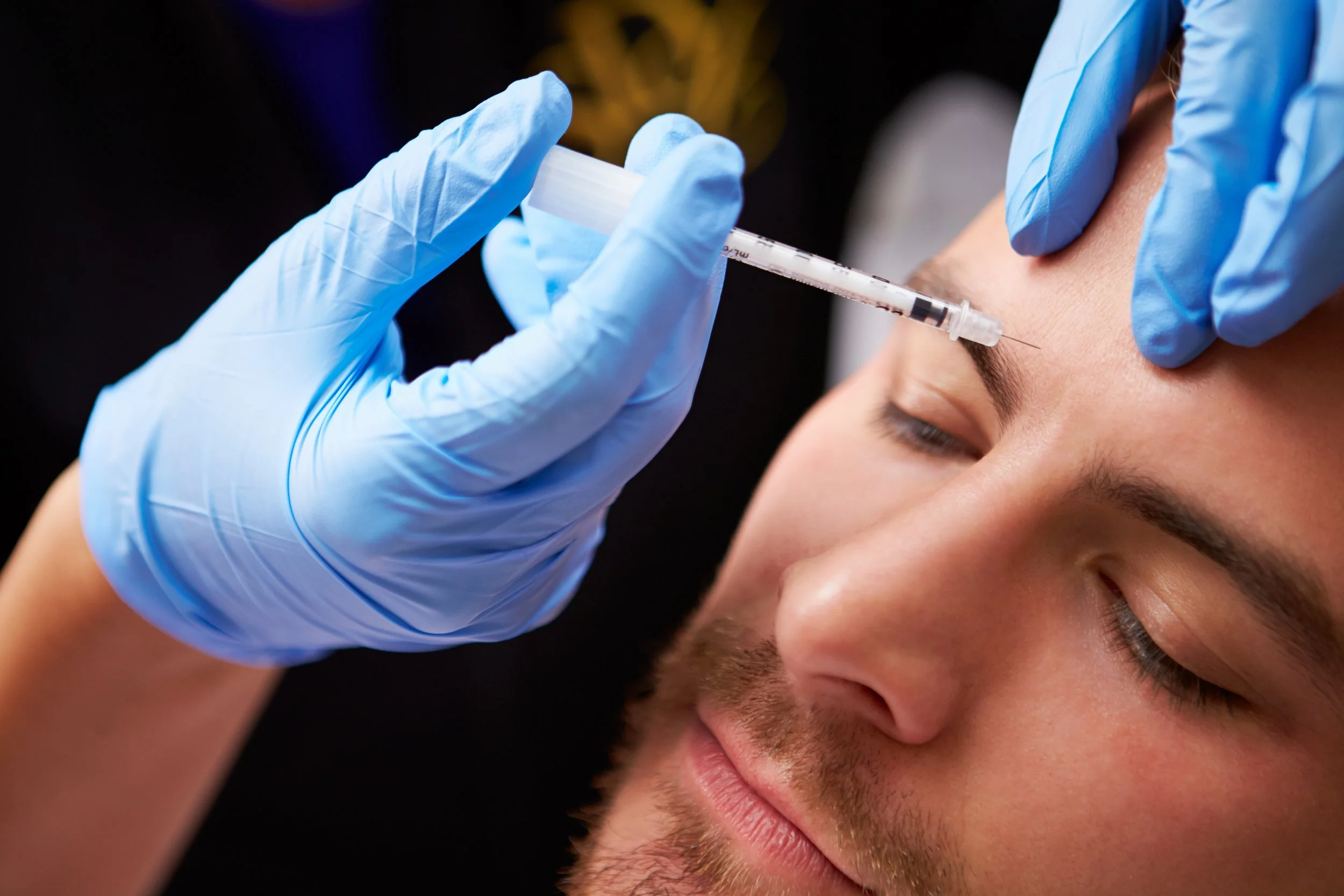
What is Neurotoxin?
Neurotoxin refers to botulinum toxin, a purified protein produced by the bacterium Clostridium botulinum. When used in small, controlled doses for medical and cosmetic purposes, it has become one of the most widely used therapeutic agents in modern medicine. The most common formulations include onabotulinumtoxinA (Botox®), abobotulinumtoxinA (Dysport®), and incobotulinumtoxinA (Xeomin®).
-
Neurotoxin works by temporarily blocking the release of acetylcholine, a chemical messenger that signals muscles to contract. When injected into specific muscles, it creates a localized reduction in muscle activity. This process involves the toxin binding to nerve terminals, entering the nerve cells, and cleaving a protein called SNAP-25 that is essential for muscle contraction. The result is partial, temporary muscle relaxation that typically develops over 1-2 weeks and may last 3-6 months, after which the nerve gradually recovers and muscle function returns.
-
Pre-Treatment Considerations:
Inform your provider if you have any of the following:
Neuromuscular disorders (Myasthenia Gravis, Lambert-Eaton syndrome, ALS)
Allergies to botulinum toxin products or their ingredients
Infection or inflammation at the planned injection site
History of swallowing or breathing difficulties
Pregnancy or breastfeeding
Current use of blood thinners or antiplatelet medications
Pre-Treatment Instructions:
Your provider may recommend:
Avoiding blood-thinning medications (aspirin, ibuprofen, vitamin E) for several days before treatment to minimize bruising
Discontinuing certain supplements that may increase bleeding risk
Arriving with clean skin, free of makeup in the treatment area
Discussing your goals and expectations with your provider
-
Post-Treatment Care:
While recent evidence suggests that extensive post-treatment restrictions may not be necessary, common recommendations include:
Immediate (first 10 minutes to 4 hours):
Remain upright and avoid lying down
Avoid touching, rubbing, or massaging the treated area
Refrain from strenuous exercise or activities that increase blood flow to the face
First 24 hours:
Avoid excessive heat exposure (saunas, hot tubs, intense sun)
Skip vigorous exercise
Sleep with your head slightly elevated
Avoid alcohol consumption
General care:
Apply ice or cold compresses to minimize swelling if needed
Expect results to appear gradually over 3-14 days
Schedule a follow-up appointment as recommended by your provider
-
FDA-Approved Uses:
Botox has been approved by the FDA for numerous cosmetic conditions, including:
Moderate to severe frown lines (glabellar lines)
Crow's feet (lateral canthal lines)
Forehead lines
Platysma bands (neck lines)
Therapeutic FDA-Approved Conditions:
Chronic migraines
Cervical dystonia
Blepharospasm
Strabismus
Upper and lower limb spasticity
Overactive bladder and urinary incontinence
Severe underarm sweating
Chronic drooling
With growing clinical evidence, neurotoxin is also used for:
Pain Management:
Trigeminal neuralgia
Tension headaches
Temporomandibular joint (TMJ) disorders
Neuropathic pain
Dermatologic Conditions:
Excessive sweating in other areas (palms, feet, face)
Keloids and hypertrophic scars
Hidradenitis suppurativa
Raynaud's phenomenon
Other Conditions:
Essential tremor
Hemifacial spasm
Gummy smile correction
Masseter muscle hypertrophy (jaw reduction)
Various dystonias affecting different body parts
-
Common Side Effects:
Most side effects are mild and temporary, occurring within the first week after treatment:
Pain, bruising, or swelling at injection sites (most common)
Headache
Temporary muscle weakness near the injection site
Eyelid or eyebrow drooping (ptosis) - typically resolves within weeks
Dry eyes or excessive tearing
Flu-like symptoms
Temporary facial asymmetry
Serious but Rare Complications:
While uncommon, more serious effects can occur and require immediate medical attention:
Difficulty swallowing (dysphagia)
Difficulty breathing or speaking
Generalized muscle weakness
Vision problems or double vision
Allergic reactions
Spread of toxin effects to distant muscles
Important Safety Information:
The risk of serious complications is higher in:
Patients with pre-existing neuromuscular disorders
Those with swallowing or breathing difficulties
Individuals receiving high doses or frequent treatments
Patients with certain cardiovascular conditions
Deaths have been reported as a complication of severe swallowing difficulties after botulinum toxin treatment, though these are extremely rare and typically occur in vulnerable populations or with improper use.
When to Seek Medical Attention:
Contact your healthcare provider immediately if you experience:
Difficulty swallowing, speaking, or breathing
Unusual muscle weakness
Vision changes
Drooping eyelids that interfere with vision
Severe headache or dizziness
Signs of allergic reaction (rash, itching, difficulty breathing)
-
Results from neurotoxin treatments are not immediate. You should expect:
Initial effects within 3-5 days
Full results visible at 10-14 days
Duration of effect typically 3-4 months for cosmetic use, potentially longer for some medical conditions
Need for repeat treatments to maintain results
Gradual return of muscle function as the effect wears off
Ready to get started?
Neurotoxin treatments offer a safe and effective option for both cosmetic enhancement and medical conditions when administered by qualified healthcare professionals. Understanding what to expect before, during, and after treatment helps ensure optimal results and patient satisfaction. Always discuss your individual health history, goals, and concerns with your provider to determine if neurotoxin treatment is right for you.
1.Botox (onabotulinumtoxinA) Mechanism of Action.
Medicine. 2023. Brin MF, Burstein R.
2.Botulinum Neurotoxins: History, Mechanism, and Applications. A Narrative Review.
Journal of Neurochemistry. 2025. Monash A, Tam J, Rosen O, Soreq H.New
3.Botulinum Toxin Therapy: A Comprehensive Review on Clinical and Pharmacological Insights.
Journal of Clinical Medicine. 2025. Ayoub N.New
4.BOTOX Cosmetic. FDA Drug Label.
Food and Drug Administration. Updated date: 2024-10-18.